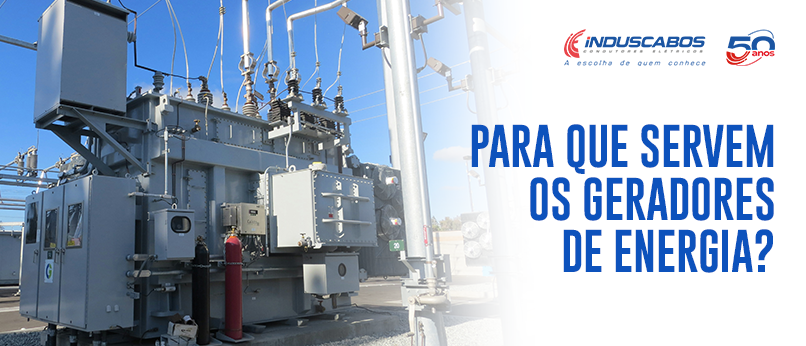
Power generators are essential pieces of equipment for ensuring the supply of electricity in situations where the conventional power grid is unavailable or experiences interruptions. They can be used as a primary or alternative source of energy, helping maintain the continuity of residential, commercial, and especially industrial activities.
In environments where a power outage can cause losses, interrupt processes, or compromise safety, having an electric power generator can make all the difference. But what exactly are these devices used for, and how do they work?What are power generators used for?
One of the main functions of generators is to act as an emergency power source. When the utility power supply is interrupted, the equipment can temporarily take over the electrical supply of the installation. For this reason, generators are found in a wide variety of environments, such as:- Industries and factories;
- Hospitals and laboratories;
- Data centers;
- Supermarkets and shopping centers;
- Residential and commercial buildings;
- Construction sites;
- Rural properties;
- Events and temporary installations.
How does a power generator work?
In general, a generator is designed to convert mechanical energy into electrical energy. To do this, it typically uses an engine connected to an alternator. The engine produces the required mechanical motion, while the alternator converts this energy into electricity. There are different types of generators that can use diesel, gasoline, natural gas, and other energy sources. The appropriate choice depends on factors such as the required power, operating period, application, and characteristics of the installation.Generators and operational continuity
More than simply providing electricity during a power outage, generators are part of strategies focused on safety, reliability, and operational continuity. In critical applications, a properly sized generation system, combined with a safe electrical installation, reduces the impact of interruptions and helps keep essential processes running. Therefore, understanding what power generators are used for and the components involved in electricity distribution is essential for planning more reliable and efficient installations.The importance of electrical cables in power generation systems
For the energy produced by the generator to reach equipment efficiently and safely, the entire electrical installation must be correctly sized. In this context, electrical cables play an essential role in carrying energy between generators, panels, switchboards, and equipment. Cable selection must consider characteristics such as voltage, current, operating temperature, environmental conditions, and the specific requirements of the application. Discover the electrical cable solutions from Induscabos and find options developed for different industrial needs and applications.Request the right electrical cables for generator systems
If your project uses power generators, choosing the right electrical cables is essential to ensure safe power transmission, stable performance, and compatibility with the expected load. Induscabos serves the B2B market with a focus on industrial applications, helping your company specify the most appropriate solution for each power generation and operational continuity scenario.
To assess the application more accurately and move forward with your project’s specification, request a quote from the Induscabos team.
Request a quote for cables for generator systems