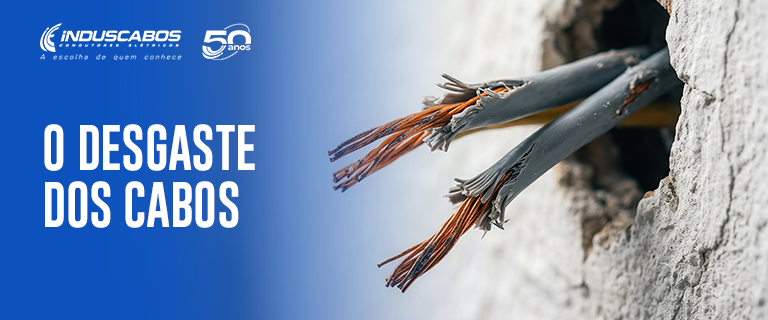
During electrical inspections, it is common to find cables showing signs of wear, dryness, cracks or fissures in their construction. In this situation, a frequent question arises: is it still safe to use a cable with damaged insulation?
The safest answer is: it depends on the extent of the damage, but any crack in the insulation deserves attention and technical evaluation.
This is because insulation is one of the main elements responsible for the safety of the electrical system.
What is the function of cable insulation?
Insulation is the layer that surrounds the electrical conductor and prevents the electric current from coming into contact with people, equipment or other conductors.
In addition to electrical protection, it also contributes to:
- Moisture resistance;
- Protection against chemical agents;
- Resistance to mechanical stress;
- Protection against abrasion;
- Safety against short circuits;
- Proper thermal performance.
When this layer is compromised, the risk of electrical failures increases significantly.
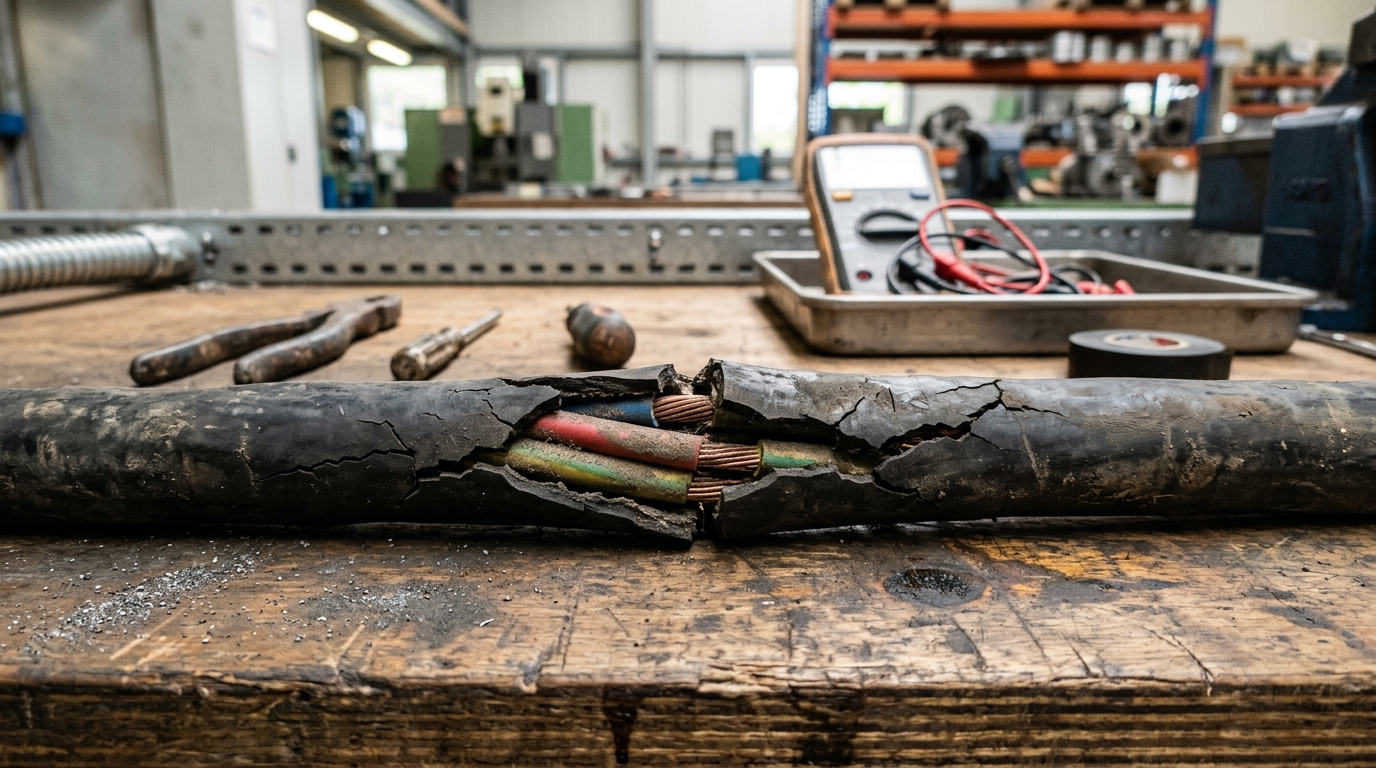
What can cause cracks in insulation?
Cracks can appear due to several factors throughout the cable’s service life:
Excessive heat exposure
Temperatures above the specified limits accelerate the aging of insulating materials, making them more rigid and more susceptible to cracks.
Solar radiation
Cables continuously exposed to UV rays may suffer surface degradation when they do not have adequate protection for this type of application.
Natural aging
Like other polymeric materials, insulation wears down over the years, especially in aggressive environments.
Chemical products
Oils, solvents and corrosive agents can compromise the mechanical properties of the insulation.
Mechanical stress
Excessive bending, crushing, impacts or tension above recommended limits can generate cracks and permanent damage.
Can all types of insulation be damaged?
Yes.
Regardless of the material used, any insulation can degrade when subjected to unsuitable installation or operating conditions.
PVC
Widely used in low-voltage electrical installations, it offers good performance and resistance, but may show dryness and hardening when subjected to excessive temperatures for long periods.
HEPR
It has excellent thermal performance and withstands higher temperatures. Even so, mechanical damage or severe aging can compromise its integrity.
XLPE
Widely used in power and energy distribution applications, it provides high thermal and electrical resistance, but can also suffer physical damage when exposed to unsuitable conditions.
Low-smoke zero-halogen compounds (LSZH)
Developed to reduce smoke and toxic gas emissions in case of fire, they also require periodic inspections to ensure the maintenance of their original properties.
What if the outer sheath is cracked?
Some cables have, in addition to insulation, an external protective sheath.
In these cases, it is important to identify which layer has been affected.
If the damage is only on the outer sheath, without affecting the internal insulation, the risks may be lower. However, the cable’s mechanical and environmental protection will already be compromised.
If the crack reaches the insulation, the safety of the installation can be significantly affected.
Does a cracked cable lose its usability?
In practice, yes.
A cable with cracks or fissures no longer offers the same safety conditions intended by the manufacturer during the product design.
Depending on the depth of the damage, the following may occur:
- Leakage current;
- Short circuit;
- Electric shocks;
- Moisture ingress;
- Conductor oxidation;
- Reduced service life of the installation;
- Increased fire risk.
For this reason, cables with visible damage must be evaluated by qualified professionals and, when necessary, replaced.
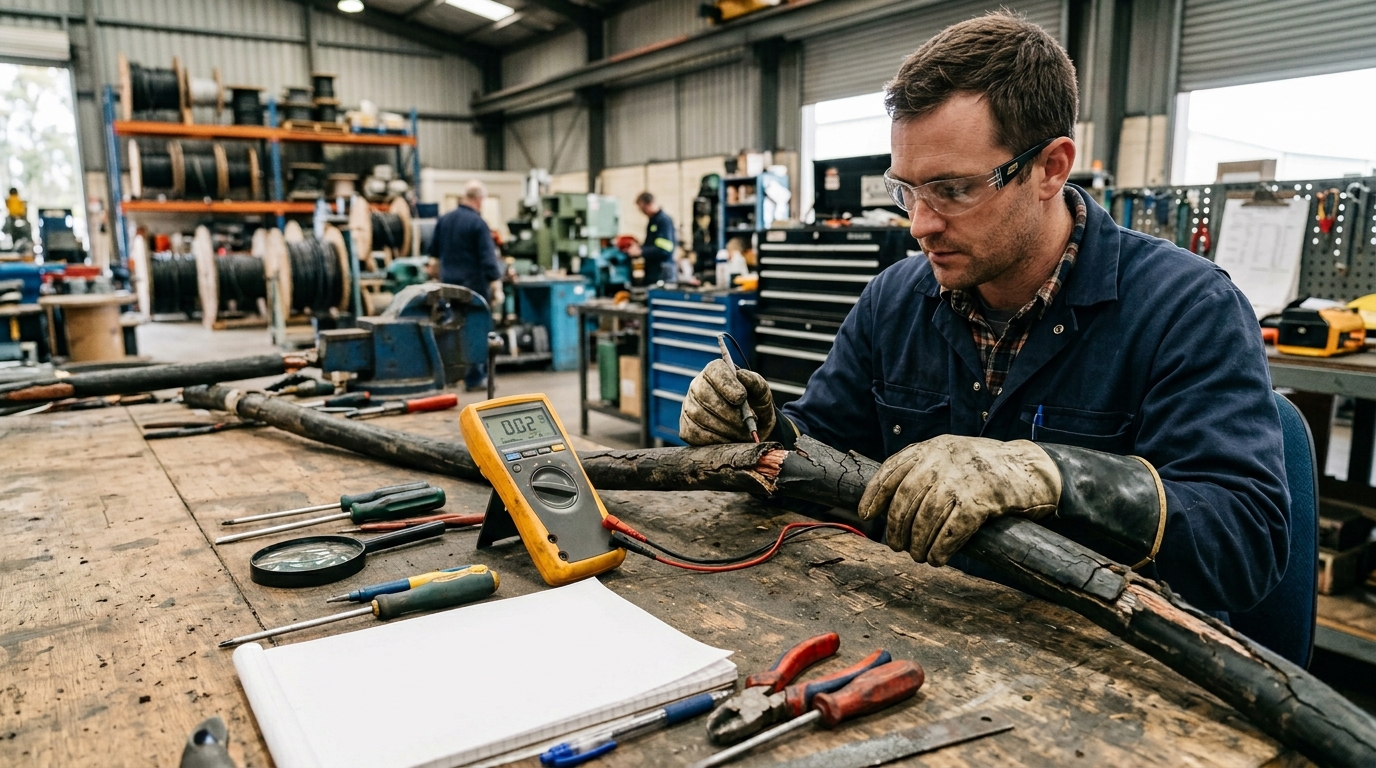
How to identify signs of deterioration?
Some common signs include:
- Surface cracks;
- Dry insulation;
- Color change;
- Material hardening;
- Peeling;
- Deformations;
- Exposure of the metallic conductor.
When identifying any of these signs, it is recommended to stop using the compromised section until an adequate technical evaluation is performed.
Prevention is always the best solution
Choosing cables suitable for each environment, respecting temperature limits and carrying out periodic inspections are essential to increasing the service life of the electrical installation.
In addition, using products manufactured according to technical standards and correctly specified for each application helps significantly reduce the risks of premature failures.
Perform periodic cable maintenance
Insulation is one of the most important parts of an electrical cable. When it shows cracks, fissures or signs of deterioration, the safety of the installation may be compromised.
Whether the insulation is made of PVC, HEPR, XLPE or low-smoke zero-halogen compounds, visible damage must be handled with care and evaluated by specialized professionals to ensure safe operational continuity.