Although many people use the terms wire and cable as synonyms, they are not the same thing. Understanding this difference is essential to choosing the most suitable product for each electrical installation, ensuring safety, ease of installation and compliance with technical standards.
In practice, both wires and cables have the same function: conducting electrical energy. However, the way they are built directly influences their behavior during installation and use.
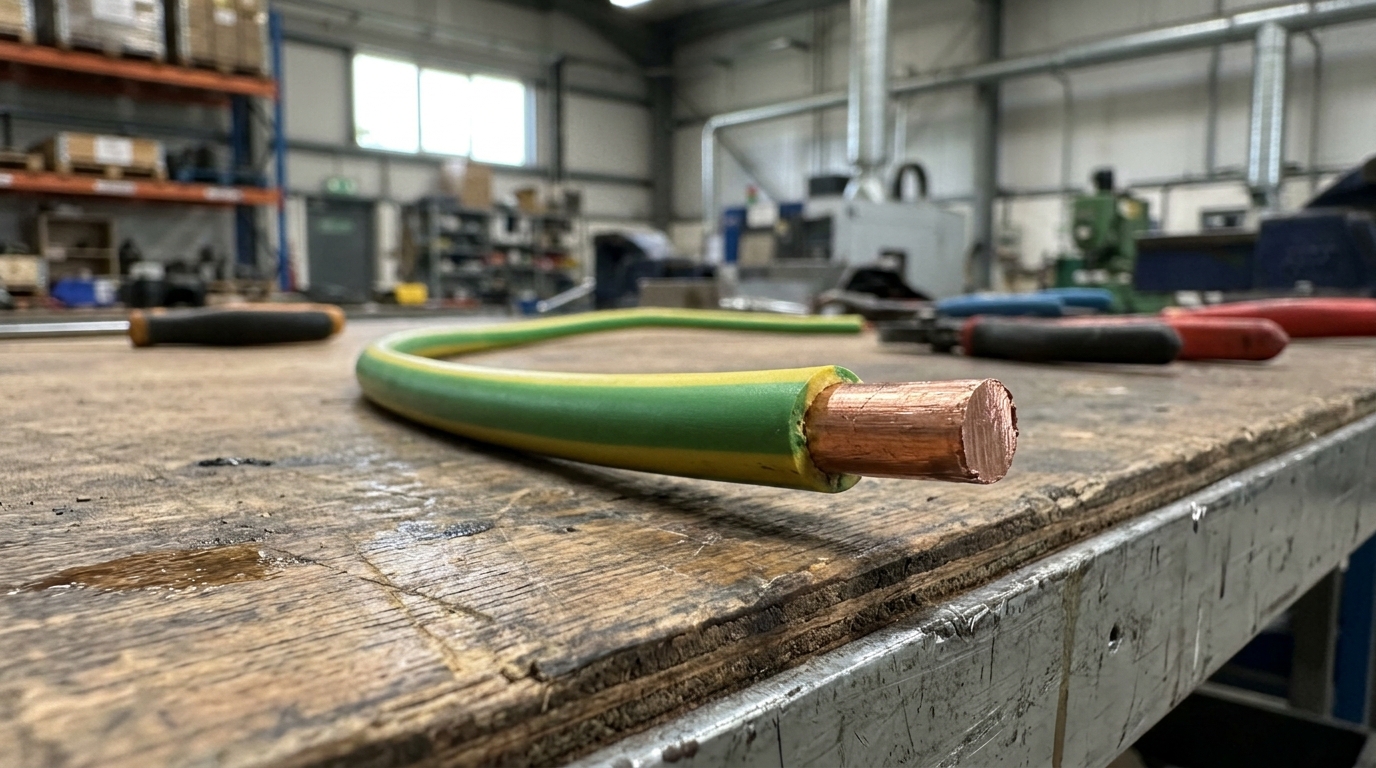
What is an electrical wire?
An electrical wire is made up of a single solid metallic conductor. Because it has only one strand, it offers less flexibility and greater rigidity when compared to cables.
Due to this characteristic, wires are more suitable for applications where there are not many bends or movements during installation. Induscabos offers copper and aluminum wires in its portfolio to meet projects that require this type of product.
- Single solid conductor;
- Lower flexibility;
- Good mechanical resistance;
- Used in specific applications and fixed installations.
What is an electrical cable?
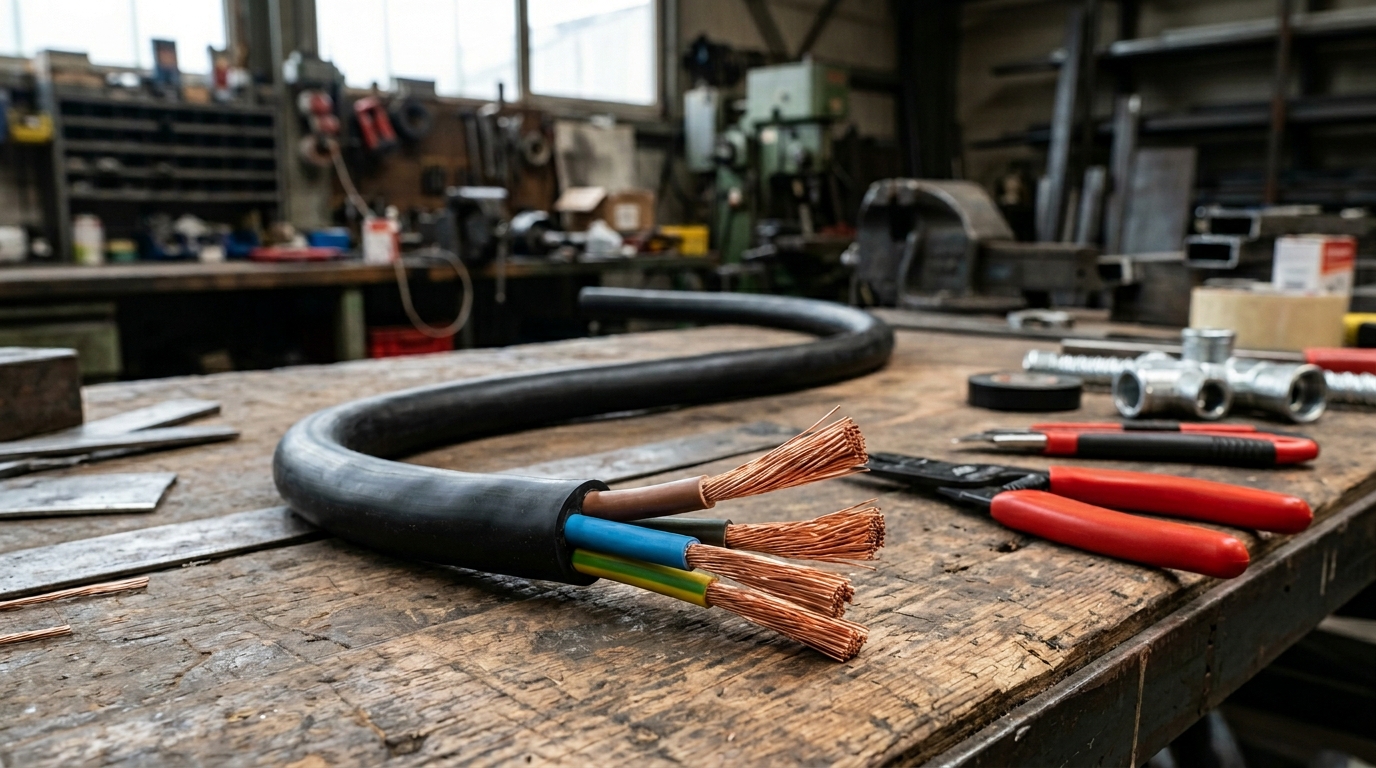
An electrical cable is composed of several stranded metallic filaments, forming a single conductor. The greater the number of filaments, the greater its flexibility.
This construction makes it easier to pass through conduits, bends and more complex paths, making cables the most widely used option in modern installations.
- Made up of multiple filaments;
- Greater flexibility;
- Ease of installation;
- Better adaptation to paths with bends;
- Widely used in residential, commercial and industrial installations.
Which one is most commonly used today?
Flexible cables have become the standard in most residential, commercial and industrial installations due to their ease of handling and installation. Their flexibility reduces the effort required when passing them through conduits and contributes to a more practical and efficient assembly.
How to choose the best option?
The choice depends on the characteristics of the electrical project.
In installations with many bends, conduit passages and the need for greater practicality, flexible cables are usually the best alternative.
In specific applications, where conductor rigidity does not represent a problem, wires can perfectly meet the needs of the installation.
The importance of choosing quality products
Regardless of the choice between wire or cable, the quality of the conductor is an essential factor for the safety of the electrical installation.
Certified products manufactured in accordance with technical standards ensure better performance, greater durability and reduced risks of overheating, short circuits and electrical failures.
Induscabos develops solutions for different applications, offering conductors produced under strict quality standards and in compliance with market requirements, contributing to safer, more efficient and more reliable installations.
Specification always matters
The main difference between wire and cable lies in their construction. While a wire is made up of a single solid conductor, a cable is composed of several stranded filaments that provide greater flexibility.
It is always important for buyers and installers to check the project specifications and the needs of each application when purchasing electrical cables.
Understanding this difference between wire and cable helps specify each product correctly and ensures safer, more practical and more efficient electrical installations.