The NBR 5410 is the Brazilian standard that regulates low-voltage electrical installations and serves as the main reference for residential projects. In practice, it defines how an installation must be carried out to ensure safety, proper equipment operation, and protection against electric shocks, overloads, and fires. In homes, the standard covers everything from circuit division to cable sizing, protection devices, and the grounding system.
One of the most important concepts in the standard is circuit separation. The entire installation cannot be connected to a single circuit breaker. Lighting must have its own circuit, outlets must be separated from lighting, and higher-power equipment, such as electric showers, electric ovens, air conditioners, and electric faucets, require dedicated circuits. This improves safety, prevents overloads, and makes installation maintenance easier.
What cable sizes do I need to buy for my home?
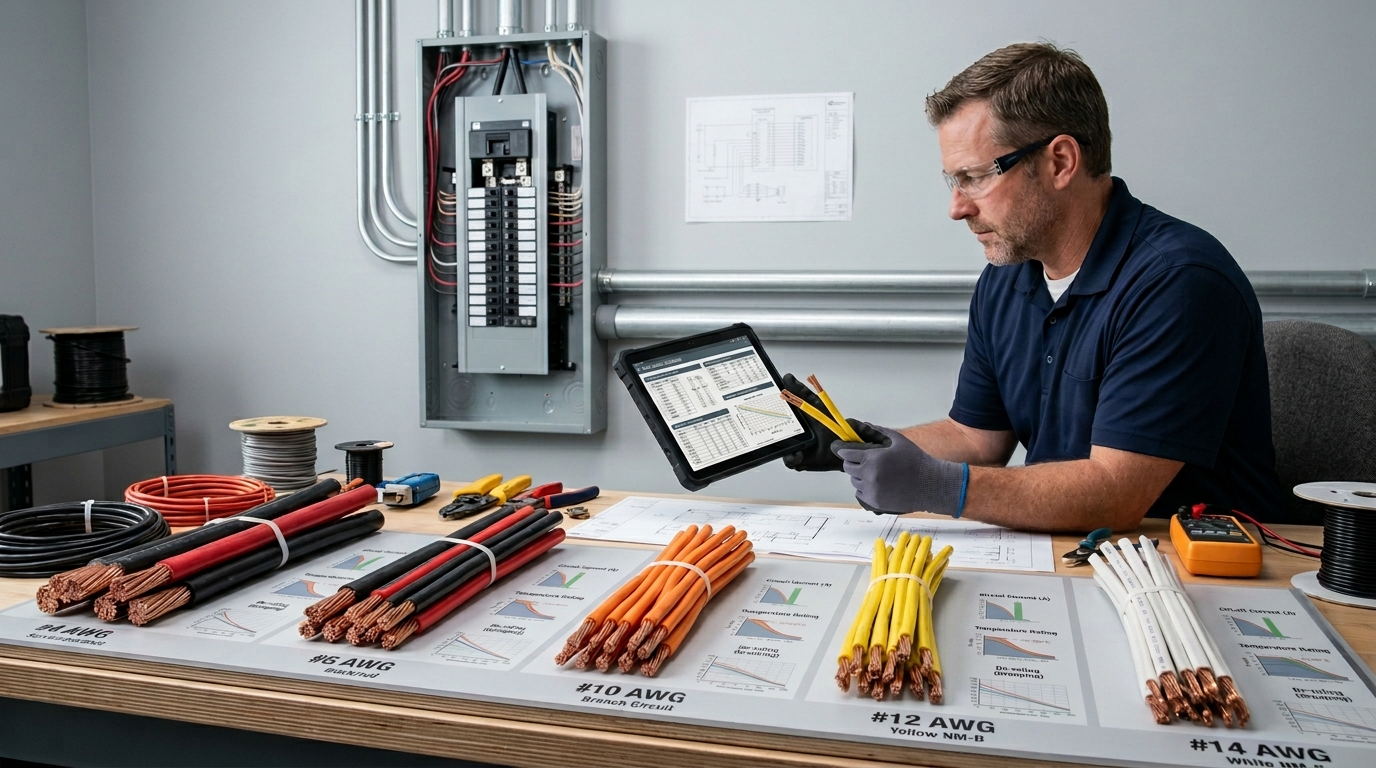
The standard also determines minimum conductor cross-sections. In residential installations, lighting cables generally cannot be smaller than 1.5 mm², while outlet circuits use a minimum of 2.5 mm². Higher-power equipment requires larger cables, defined according to electrical current, circuit distance, and installation method. Correct sizing prevents excessive heating and fire risks. Induscabos supplies low-voltage cables in all sizes, flexible and non-toxic, available for quotation on our website.
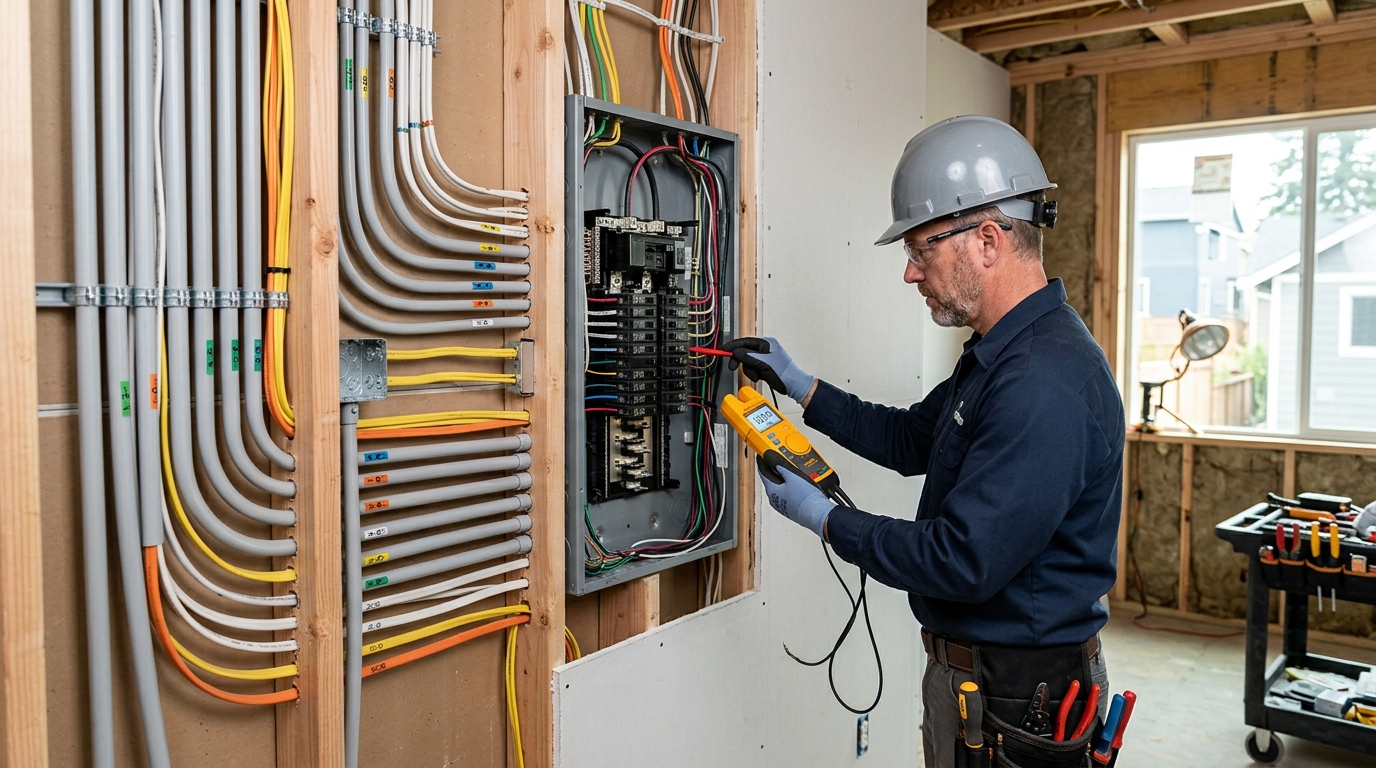
Another fundamental point of NBR 5410 is electrical protection. Every circuit must have a circuit breaker compatible with the capacity of the installed cable. The circuit breaker does not primarily protect the equipment, but rather the conductor in the installation. In addition to circuit breakers, the standard requires the use of an RCD, Residual Current Device, in wet areas and places with a higher risk of electric shock, such as bathrooms, kitchens, laundry areas, and outdoor areas. The RCD detects current leakage and trips quickly, protecting people against electric shocks.
Residential Grounding System
Grounding is also mandatory and is one of the foundations of residential electrical safety. The installation must have a functional grounding system connected to outlets, metal enclosures, and protection devices. Without proper grounding, the RCD may not work correctly, increasing the risk of electric shock. The standard also defines conductor identification, specifying light blue for the neutral conductor and green or green-yellow for the protective conductor, also known as ground.
NBR 5410 also defines minimum criteria for the number of outlets and the expected electrical load in each room. In living rooms and bedrooms, there must be a minimum number of outlets according to the perimeter of the room. In kitchens and laundry areas, the requirement is higher due to the concentration of electrical equipment. In addition, the standard establishes minimum design loads for lighting and outlets, allowing the home’s demand to be calculated correctly.
Distribution Board Organization
Nowadays, in addition to what is mandatory under NBR 5410, many residential installations also follow practices that make the home safer and better prepared for the future.
One of these practices is the use of an SPD, Surge Protection Device, which helps protect appliances against power surges caused by lightning or fluctuations in the electrical grid. It works as extra protection for equipment such as televisions, computers, routers, and household appliances.
It is also common to separate the home’s circuits more effectively. Instead of placing several outlets and pieces of equipment on the same circuit breaker, each area or important piece of equipment can have its own protection. This prevents overloads and ensures that a problem in one circuit does not shut down the entire house.
Best Practices in Modern Installations
Put simply, NBR 5410 exists to ensure that a home’s electrical installation operates safely and in an organized way. The goal is to prevent problems such as electric shocks, wire overheating, frequent power outages, and even fire risks.
It promotes safety, comfort, and durability for the installation, while also ensuring protection for the people inside the property. In addition to this standard, there are certifications that promote best practices in the manufacturing and installation of electrical cables. Discover all Induscabos certifications, visit our website to learn more.