Purchasing an electrical cable may seem simple, but an incomplete specification can lead to technical problems, rework, and even losses in your project. To ensure that the product exactly meets the application requirements, it is essential to provide clear and standardized information to the supplier. In this article, you will understand how to specify electrical cables correctly and avoid common mistakes when comparing quotes.
Medium voltage cables: pay attention to the shielding.
For electrical cables above 1,000 V, it is also essential to specify:
- Metal armor section
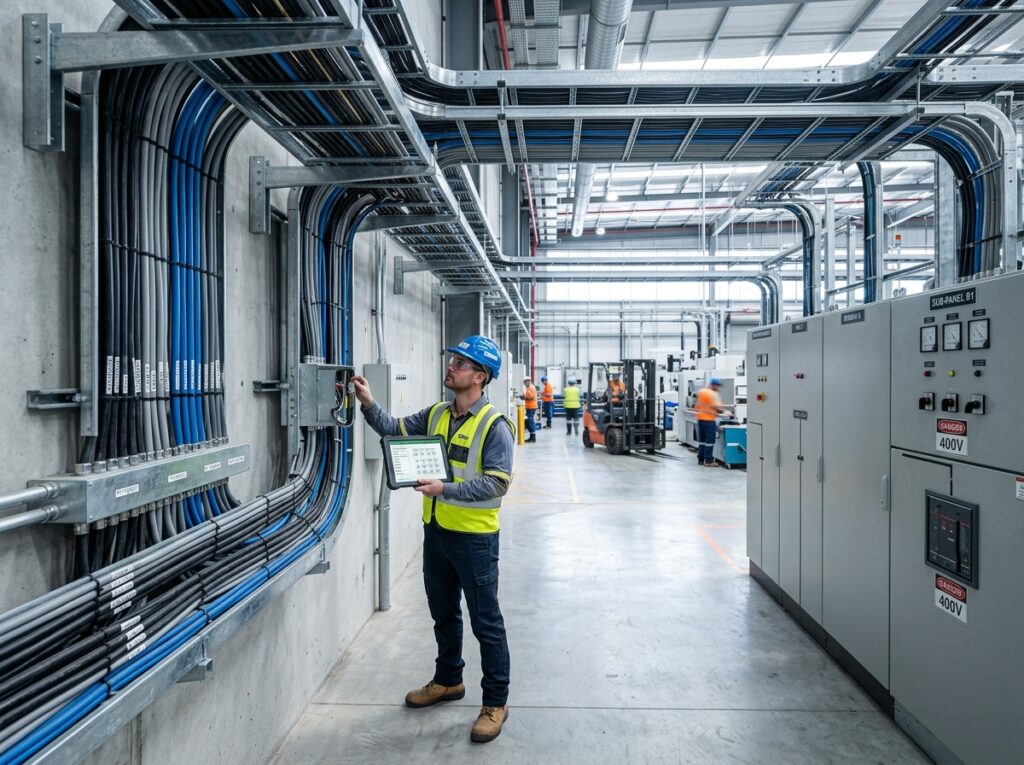
Depending on the installation environment, some additional features may be essential:
- Moisture barrier
- Colored coating (when not black)
- Protection against rodents and termites
- Metal armor for mechanical reinforcement.
The danger of an incomplete specification.
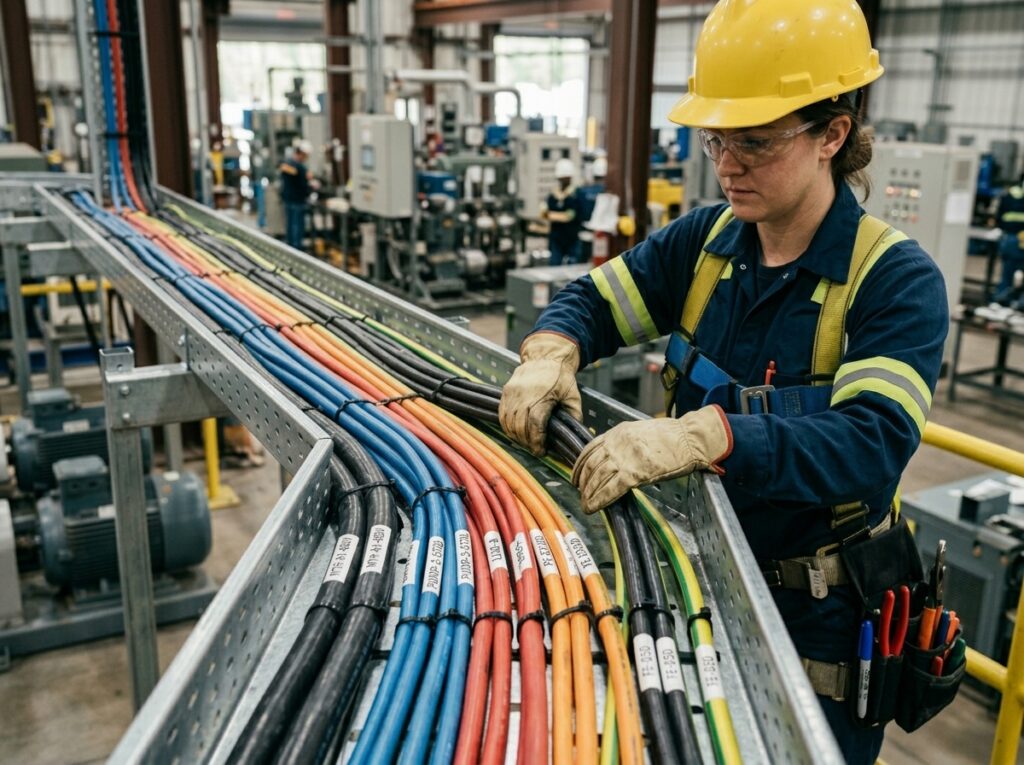
A vague specification can lead to a classic problem: you receive different quotes for products that look the same—but aren’t. This makes price comparison difficult and can result in choosing an unsuitable cable.
Result:
- Risk of failure
- Reduction in service life
- Security issues
Frequently Asked Questions
What should be included in the specifications for an electrical cable?
When requesting a quote, some information is essential to ensure you receive exactly the right product:
- Conductor material: copper or aluminum
- Nominal section (mm²): defines the current carrying capacity
- Type of insulation and covering
- Voltage class (low, medium or high voltage)
- Applicable technical standard
Why is technical standard so important?
Manufacturing standards for electrical cables ensure that the product adheres to well-established and recognized technical standards, guaranteeing key characteristics:
- Installation security
- Adequate performance
- Compliance with project requirements
How can I ensure I make the right choice?
The best way to avoid mistakes is:
✔ Fully detail the specification.
✔ Follow recognized technical standards.
✔ Having a specialized supplier
At Induscabos, we offer technical support to help you choose the ideal cable for each application, with quality, safety, and reliability.
A good specification for electrical cables is not just a technical detail—it’s a decisive factor in the success of your project.
The clearer the information, the more accurate the purchase and the lower the risk of future problems.
✔ Fully detail the specification.
✔ Follow recognized technical standards.
✔ Having a specialized supplier
At Induscabos, we offer technical support to help you choose the ideal cable for each application, with quality, safety, and reliability.
A good specification for electrical cables is not just a technical detail—it’s a decisive factor in the success of your project.
The clearer the information, the more accurate the purchase and the lower the risk of future problems.